






Search Results for: Ethiopia Geisha

From Documentary Director to Geisha Estate Owner: Adam Overton's Journey of Searching for Geisha's Roots and Cultivation in Ethiopia
Geisha is now a star variety in the specialty coffee world, but where exactly is its original home? After filming a coffee documentary in Ethiopia, documentary director Adam Overton and his photographer wife Rachel Samuel dreamed of establishing a Geisha estate. They learned from Geisha authority Willem Boot, ventured deep into the Bench-Maji region on Ethiopia's southwestern border, and ultimately found near the Gori Gesha wild forest a variety genetically highly similar to Panama Geisha, and established the Gesha Village Coffee Estate. This article tells the story of this Geisha roots-seeking journey spanning two continents, as well as the flavors and variety future that Front Street Coffee is following. [more…]
Analysis of Flavor Differences in Geisha Coffee Across Global Producing Regions: Ethiopia, Panama, and Costa Rica Compared
Geisha coffee is famous for its captivating floral aroma, but this signature flavor actually comes mainly from the Panama region. When Geisha was introduced to Ethiopia, Costa Rica, and other places, its flavor profile showed noticeable differences. This article starts with three Geisha coffees from Front Street Coffee—Panama, Costa Rica, and Ethiopia—and compares the variety background, estate information, and cupping flavors of each region one by one. Ethiopia, as the birthplace of Geisha, has a Geisha Village variety with very little genetic connection to Panama Geisha; Panama's Hacienda La Esmeralda, meanwhile, established the floral definition of Geisha, with its Red Label, Green Label, and Blue Label each having distinctive characteristics; Costa Rica's Little Candle Estate, thanks to its unique microclimate, also produces a clean and elegant Geisha flavor. Through this article, you will gain a comprehensive understanding of the characteristics and main flavor descriptions of Geisha coffee from different origins. [more…]
Panama Hacienda La Esmeralda vs. Ethiopia Gesha Village: Analysis of Red Label Geisha Coffee Bean Grading and Flavor Profile Comparison
Geisha coffee is undoubtedly one of the most sought-after varieties in today's specialty coffee world. It originated in the primitive forests of Ethiopia, yet rose to prominence at Hacienda La Esmeralda in Panama. As the specialty coffee market continues to expand, estates dedicated to growing Geisha have also emerged in Ethiopia itself, among which Gesha Village is particularly notable. In this article, Front Street Coffee will systematically trace the varietal origins of Geisha, provide a detailed interpretation of Hacienda La Esmeralda's three major grading standards—Red Label, Green Label, and Blue Label—and take an in-depth look at Gesha Village's auction, Gold Label, Red Label, Green Label, and Chaka lot systems, along with the region, altitude, variety, processing method, and flavor descriptions for each grade of Geisha coffee beans, helping coffee enthusiasts gain a comprehensive understanding of the stylistic differences among Geisha from different origins and key points for purchasing. [more…]

Comparison of the Grading Systems and Flavor Profiles of Gesha Coffee Beans from Ethiopia's Gesha Village and Panama's Hacienda La Esmeralda Red Label
Geisha coffee is a highly sought-after variety in the specialty coffee world. It originated in Ethiopia but rose to fame at Hacienda La Esmeralda in Panama. Today, Ethiopia's Gesha Village Estate has also secured a place in the market with its native Geisha variety. This article will trace the history of Geisha coffee's varietal spread, explain in detail the classification logic and flavor characteristics of Hacienda La Esmeralda's Red Label, Green Label, and Blue Label, and systematically introduce the standards and flavor profiles of Gesha Village Estate's five grades—Auction Lot, Gold Label, Red Label, Green Label, and Chaka—to help coffee lovers more clearly understand the differences between Geisha coffee from these two major origins, so they can choose products suited to their own taste. [more…]
How Much Does Geisha Coffee Cost? The Origins, Flavor, and Aroma of the Authentic Geisha Variety Explained
Geisha coffee is also known in China as "艺伎咖啡" (Geisha coffee), and is a member of the Ethiopian strain within the Arabica family, originally from Africa. Although it originated in Ethiopia, it rose to fame in Panama. Interestingly, the Geisha grown today in Panama and Central and South America is actually a different variety from the native Geisha of Ethiopia. Through comparison, Front Street Coffee has found that the two differ noticeably in flavor expression. This article will take you through the history of Geisha's discovery, analyze the varietal relationship between the two major producing regions, and introduce in detail the various Geisha coffee beans currently sold by Front Street Coffee along with their flavor characteristics, providing coffee lovers with a complete guide to Geisha knowledge. [more…]
From Ethiopian Heirloom to Panama Hacienda La Esmeralda: A Comparison and Flavor Analysis of Geisha Coffee's Two Major Producing Regions
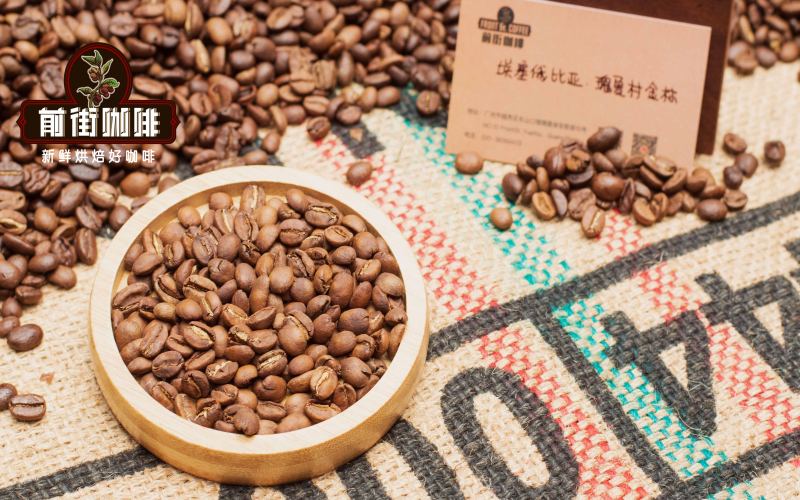
Geisha coffee is one of the most sought-after varieties in today's specialty coffee world, but many people don't know that its roots actually lie in Ethiopia. This article will take you through the journey of Geisha from Ethiopia's native forests to Panama's Hacienda La Esmeralda, and compare the similarities and differences between Geisha coffees from two major origins—Ethiopia's Gesha Village and Panama's Hacienda La Esmeralda—in terms of bean morphology, processing methods, and flavor expression. It will also introduce several Geisha products selected by Front Street Coffee, including Front Street Gesha Village Red Label, Gold Label, and Front Street Emerald Red Label, and present their flavor differences through actual cupping data, helping you gain a more comprehensive understanding of the diversity of Geisha coffee. [more…]
Exploring the Birthplace of Geisha Coffee: The Legendary Journey from Gesha Mountain in Ethiopia to Geisha Village Estate
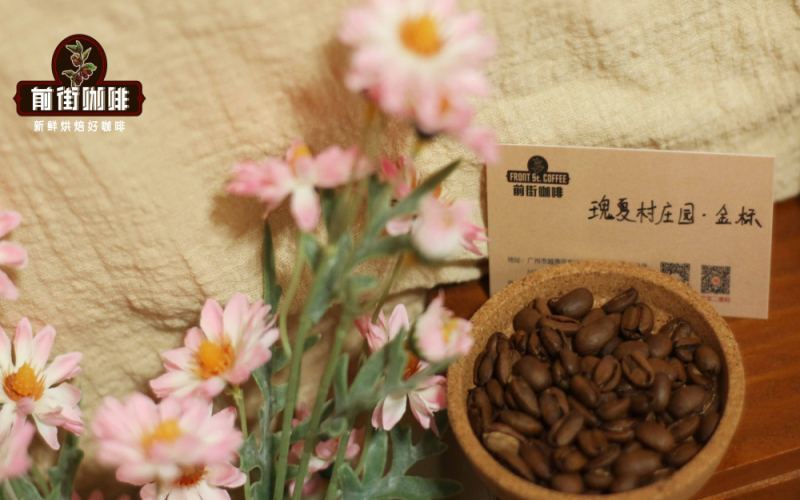
Geisha coffee is hailed as the new king of specialty coffee, conquering countless coffee lovers with its rich floral aroma and tropical fruit notes. Yet where exactly does this legendary coffee originate? And how did it travel from the wild forests of Ethiopia to the world stage? This article will trace the mystery of Geisha coffee's origins—from the native variety on Gesha Mountain to the founding of Gesha Village Coffee Estate, from the forest expeditions of Bench Maji to the astonishing prices at international auctions—offering a comprehensive overview of Geisha coffee's origin history and variety classification. At the same time, Front Street Coffee will also share the brewing parameters and flavor profile of Gesha Village Red Label Geisha, providing a professional reference for your tasting. [more…]
Tracing the Origins of the Geisha Coffee Variety: Flavor Differences and Genetic Lineage Between Ethiopian Native Gesha and Panamanian Geisha
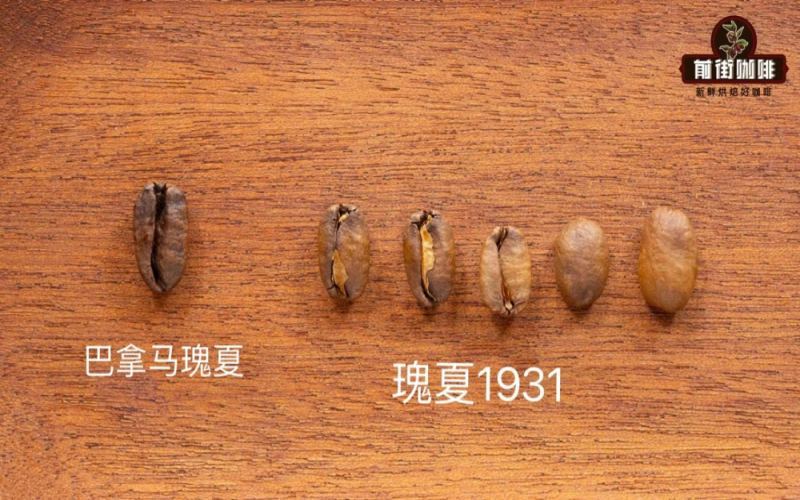
Although Geisha coffee originated in Ethiopia, it rose to world fame in Panama. What many people do not know is that the Geisha grown in Central America today and the native Geisha of Ethiopia are actually two different varieties, a fact hinted at by the difference in spelling between Gesha and Geisha. Through comparison, Front Street Coffee found that Panamanian Geisha is known for its refined fruit acidity, floral aroma, and tea-like body, while native Ethiopian Gesha presents notes of citrus, almond, and tea, with slightly less complexity. This article traces Geisha's century-long journey from being collected in the Kaffa forest to achieving fame in Panama, sorts out the genetic relationship between T2722 and Gesha1931, and introduces the flavor characteristics of the Ethiopian Gesha Village and Panamanian Hacienda La Esmeralda series Geisha coffee beans currently sold by Front Street Coffee. [more…]
Ethiopia Gesha Village vs. Panama Geisha: A Full Analysis of Variety Origins, Flavor Differences, and Brewing Comparison
Geisha coffee has won over countless coffee lovers with its floral aromas and fruity notes, but you may not know that although the Geisha from Gesha Village in Ethiopia and the Geisha from Hacienda La Esmeralda in Panama share the same name, their flavors are quite different. This article begins with the historical migration of the Geisha variety, tracing its complete journey from the forests of Ethiopia to Kenya, Costa Rica, and finally to Panama, where it rose to fame, and compares the differences between the Red Label from Gesha Village in Ethiopia and the Red Label from Hacienda La Esmeralda in Panama in terms of origin, variety, processing method, and cupping performance. Front Street Coffee will also share a medium-light roast approach and Hario V60 brewing parameters, helping you understand why these two Geishas each have their own strengths, and how genetic differences create such distinctly different flavor directions. [more…]
From Ethiopia to Panama: Flavor Differences Between Gesha Village and Panama Geisha, and the Red Label Story
Geisha journeyed from the primitive forests of Ethiopia to Panama, and was then brought back to its homeland by a couple of documentary filmmakers. Under the guidance of Willem Boot, Adam Overton and Rachel Samuel established Gesha Village Coffee Estate in the Bench-Maji region of Ethiopia, rediscovering the wild Gori Gesha forest. This article sorts out the origins and characteristic differences between Ethiopia's Gesha Village and Panama Geisha, explains in detail Gesha Village's grading system of Auction Lots, Gold Label, Red Label, Green Label, and Chaka batches, and retains Front Street Coffee's brewing parameters and flavor descriptions, providing a complete reference for coffee enthusiasts. [more…]
The Origins and Legend of Geisha Coffee: From Ethiopia's Gesha Mountain to Gesha Village's Red Label
Geisha coffee is one of the most sought-after varieties in today's specialty coffee world, having won over countless coffee lovers with its intense floral aroma, tropical fruit notes, and light tea-like body. But did you know that this variety, which now shines so brightly in Panama, Colombia, and beyond, originally came from the Gesha mountainous region in southwestern Ethiopia? This article, from the perspective of Front Street Coffee, traces the origins of Geisha, tells the story of the founding of Gesha Village, and provides a detailed introduction to its Red Label Geisha—its variety, plots, processing methods, and Front Street's brewing recipe—taking you through the complete story of this legendary coffee, past and present. [more…]
Unraveling the Origins of the BOP Champion Geisha: The Varietal Legend from Ethiopia's Gesha Forest to Panama's T2722
Geisha is the most renowned specialty coffee variety after Blue Mountain, and it is also the priciest signature treasure of many cafés. Yet beans sold under the Geisha name can differ wildly in flavor. This article begins with the 2004 BOP competition, tracing Geisha's complete journey from the Gesha forest in Ethiopia to Kenya, Tanzania, and Costa Rica, before it finally shone at Hacienda La Esmeralda in Panama. It explains the origin of the key designation T2722 and answers why Geisha from Ethiopia and Costa Rica tastes noticeably different from Panama's. Front Street Coffee helps you understand the varietal truth behind sky-high Geisha in one article. [more…]
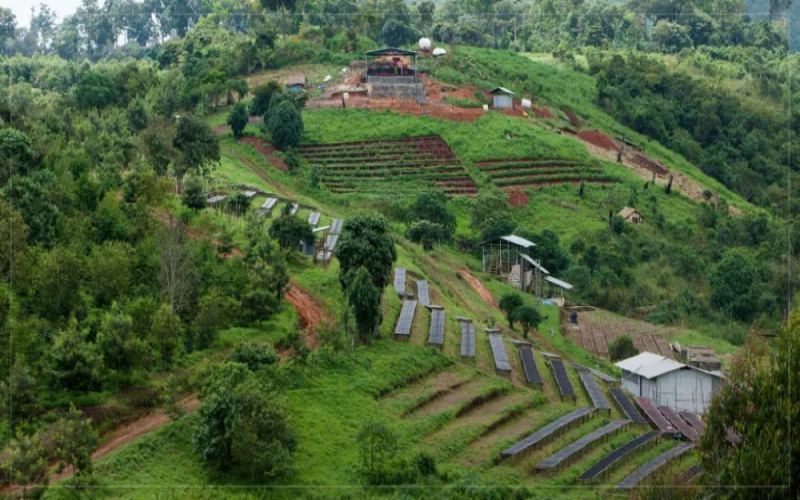
Exploring the Origins of Ethiopia's Gesha Village Estate: Did the Geisha Variety Originate in This Primitive Forest?
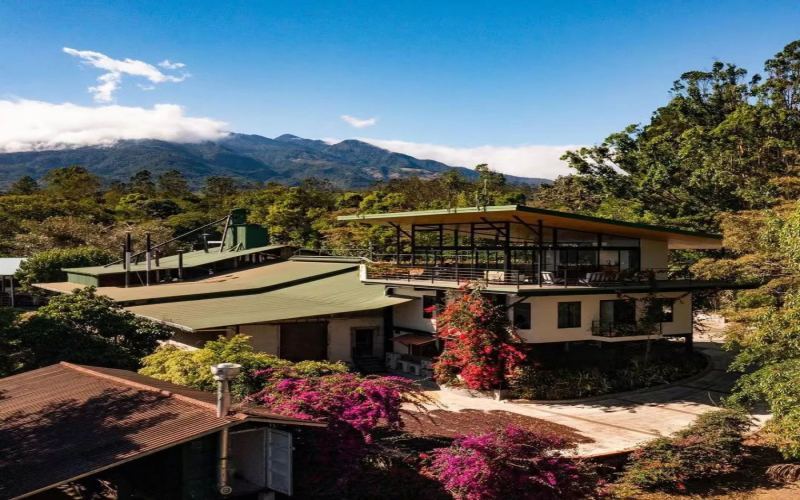
Geisha coffee is now popular all over the world, but where exactly are its roots? Gesha Village Coffee Estate in Ethiopia was co-founded by American documentary director Adam Overton and Ethiopian photographer Rachel Samuel, with the assistance of Dutch coffee professional Willem Boot, and in the Bench Maji region they found the original forest that shares the same origin as Panamanian Geisha. The estate grows only the Geisha variety and has established a strict grading system of Auction, Gold, Red, Green, and CHAKA. This article will provide a complete overview of the origins of Gesha Village Coffee Estate, its variety composition, plot divisions, and the characteristics of each grade, and will also share the cupping flavors and brewing suggestions of several Geisha coffees from Front Street Coffee. [more…]
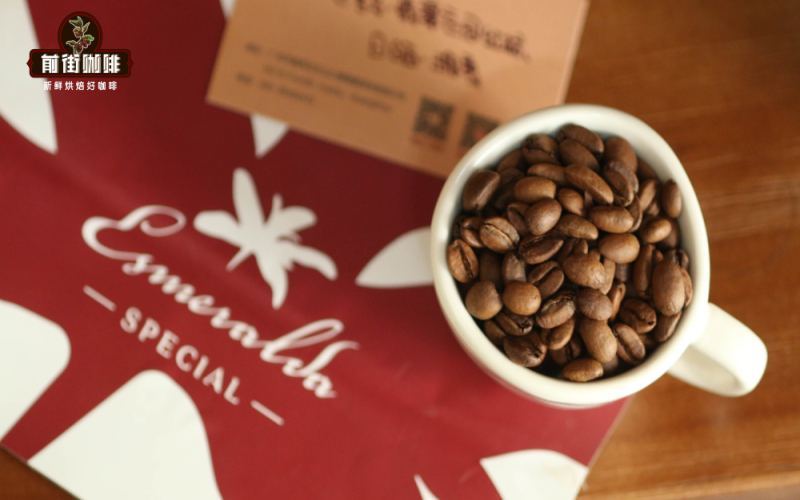
How Is Ethiopia's Gesha Village Different from Panama Geisha? Front Street Coffee Pour-Over Parameters and Flavor Comparison Analysis
Since the Geisha variety was discovered in the Geisha Forest of Ethiopia in 1931, it journeyed through Kenya, Uganda, and Tanzania before finally achieving fame at Hacienda La Esmeralda in Panama. Front Street Coffee this time conducts a cupping comparison between the green-label Geisha from Hacienda La Esmeralda in Panama and the green-label Geisha from Gesha Village in Ethiopia, analyzing everything from dry and wet aroma, flavor layers, to growing altitude and microclimate. Although both belong to the Geisha variety, they present completely different flavor directions due to differences in climate, altitude, and processing methods between African and American origins. This article will also share the three-stage extraction parameters used by Front Street Coffee's baristas to brew Geisha with a V60 dripper, helping enthusiasts highlight Geisha's sweet-and-sour layers and floral-fruity aromas at home. [more…]
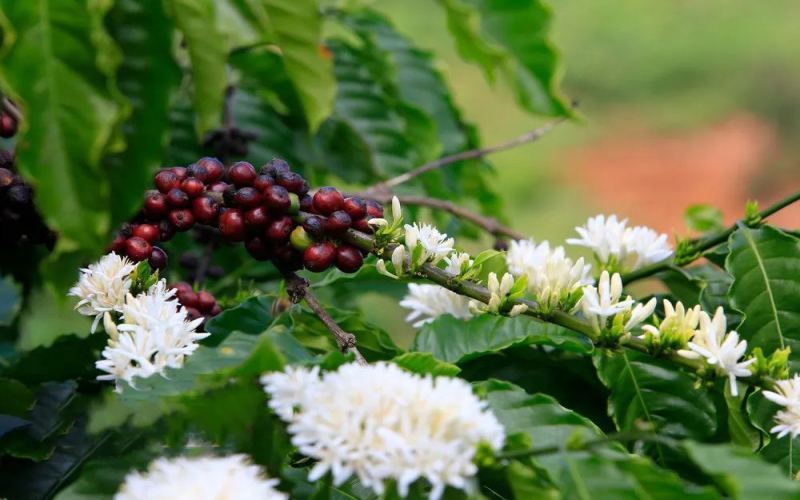
Ethiopia Gesha Village Washed Heirloom Gesha Coffee Flavor Analysis: A Complete Overview of Lot#94 and the Grading System
Since Geisha stunned the world in Panama in 2004, it has remained at the pinnacle of specialty coffee. But tracing its roots, Geisha's genetics actually come from the primitive forests of Ethiopia. This article takes you back to Geisha's birthplace—the Gesha Village Estate in the Bench Maji region—to learn how this large estate recovered the original Geisha variety from the Gori Gesha forest and established a grading system of Auction, Gold, Red, Green, and CHAKA lots. The article also presents flavor descriptions of several Gesha Village lots from Front Street Coffee, along with recommended pour-over parameters for CHAKA, making it suitable reading for coffee lovers who want to gain a deeper understanding of the flavor differences among Ethiopian Geishas. [more…]
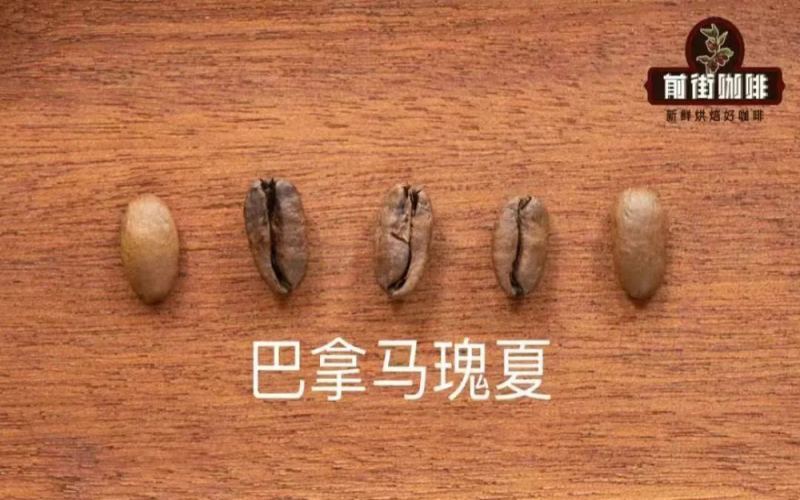
What exactly is the relationship between the Gori Geisha and Geisha 1931 from Gesha Village in Ethiopia and Panama Geisha?
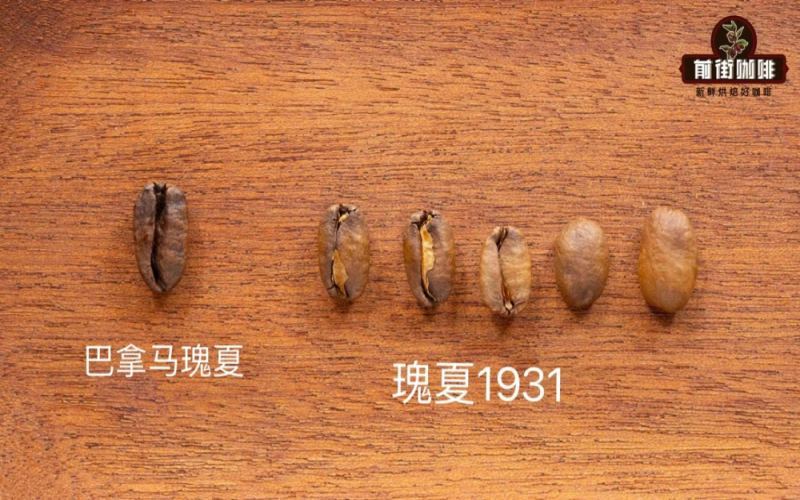
Since Panama's Hacienda La Esmeralda shot "Geisha" to fame in 2004 with a bean that dazzled with floral and citrus flavors, coffee-growing regions around the world have turned their eyes to Geisha's birthplace—Ethiopia. People tried to find varieties in that primeval forest sharing the same origin as Panama Geisha, and thus Geisha 1931 and Gori Geisha came into being. Yet claims that "they are not Geisha varieties" often circulate online—so what exactly is going on? This article traces the discovery of these two beans, sorts out their ties to Panama Geisha, and explores why both are named "Geisha." [more…]
An Analysis of the Regional Characteristics and Flavor Differences of Ethiopia's Three Renowned Coffees: Yirgacheffe, Geisha, and Huakui
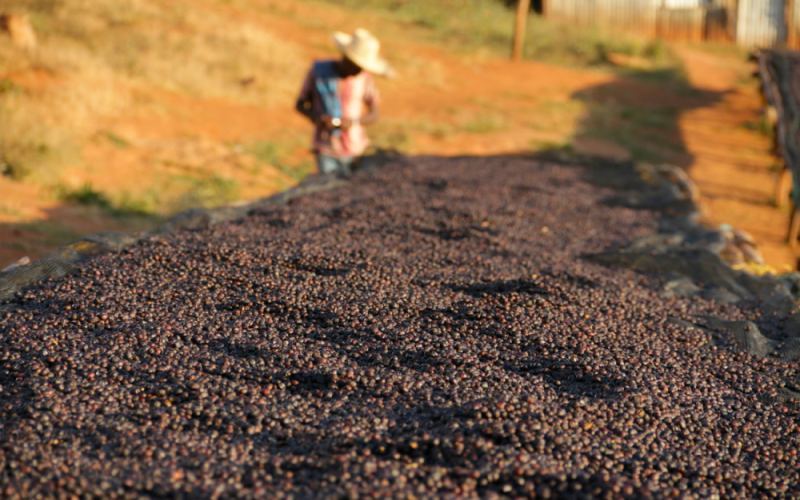
Ethiopia, as the birthplace of Arabica coffee, is rich in natural genetic resources, and the coffee it produces is deeply loved for its affordable price and excellent quality. Among the many Ethiopian coffees, Geisha, Yirgacheffe, and Huakui are collectively known as the "Three Giants of Ethiopian Coffee" due to their extremely high popularity. However, many enthusiasts still do not fully understand the specific characteristics and differences of the three. From the perspective of Front Street, this article provides a detailed review of Yirgacheffe's producing region definition and washed flavor, Geisha's variety origins and its differences from Panama Geisha, and the origin of Huakui's commercial naming and its version evolution, helping readers gain a comprehensive understanding of the unique charm of these three major coffees. [more…]
Complete Guide to Geisha Coffee Bean Flavors: From Panama's Hacienda La Esmeralda to Ethiopia's Gesha Village – Variety Stories and Cupping Comparisons
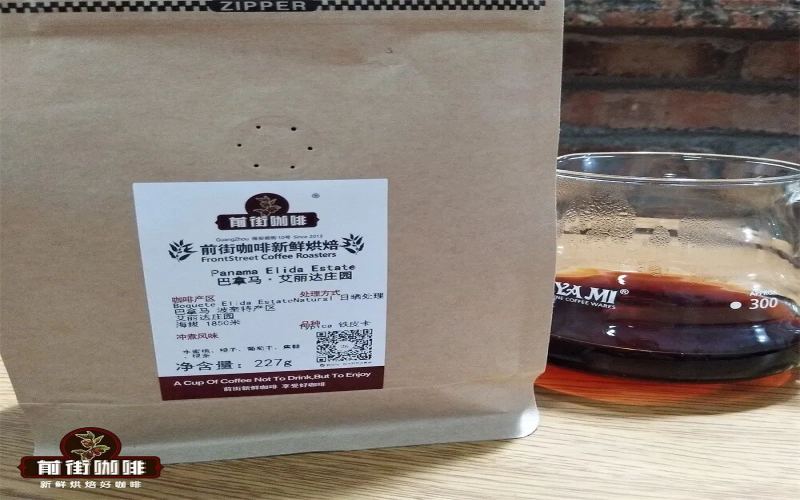
Geisha coffee beans are recognized as a top-tier variety in the specialty coffee world, conquering countless coffee lovers with their delicate floral aroma and elegant fruit acidity. This article will take you through Geisha's legendary journey from the wild forests of Ethiopia to Hacienda La Esmeralda in Panama, explain in detail the grading system and natural processing method of Esmeralda's Red Label Geisha, and compare the flavor performance of three varieties from Gesha Village in Ethiopia. Front Street Coffee will also share the roasting curves, cupping reports, and brewing parameters for two Geisha coffees, helping you fully understand the style differences between Panamanian Geisha and Gesha Village Geisha. [more…]
Coffee Varieties | Are Geisha and Gesha coffee the same variety? How was Geisha discovered? What are the differences between Yirgacheffe and Geisha coffee?
We know that Geisha coffee is very delicious and also very famous, but do you know how Geisha coffee got its name? There are many ways to name coffee: some are named after the producing country or region, and some are named after the estate, while Geisha is the name of a coffee variety. Geisha refers to a coffee variety, called Geisha/Ge in English. [more…]
What Are the Differences Between Ethiopian Geisha and Panamanian Geisha? A Comparative Analysis of the Flavors of Geisha Coffee Beans from Two Major Estates
Geisha coffee is a star variety in the specialty coffee world, and when it is mentioned, most people first think of Panama's Hacienda La Esmeralda. However, Ethiopia, the birthplace of Geisha, now also has Gesha Village producing high-quality Geisha. Though both are called Geisha, what exactly are the differences between coffees from these two major producing regions? What are the distinctive features of each estate's background, grading system, and flavor performance? In this article, Front Street Coffee (FrontStreet Coffee) will sort out the origin and spread of the Geisha variety, explain in detail the Red Label, Green Label, and Blue Label grading system of Panama's Hacienda La Esmeralda, introduce Ethiopia's Gesha Village auction, Gold Label, Red Label, Green Label, and Chaka lots, and present the flavor differences between Geisha from the two places through brewing comparisons, helping coffee enthusiasts gain a comprehensive understanding of the unique charm of these two major Geisha-producing regions. [more…]